
Embracing Movement Changed My Middle Age Aches and Pains

Updated: Oct 7
Aging often brings physical discomfort that can feel like an unwelcome companion. Aching joints, stiffness, and fatigue can make everyday activities challenging. I have always tried incorporating exercise and it has remained one of the most powerful tools to ease these discomforts.

In this post, I share how my commitment to keep moving helped me manage my middle age aches while still manage to lose over 20 pounds. I also list practical tips for staying active despite discomfort and encourage you to embrace your own journey toward better health.
Aches and Pains Comes with Middle Age and It Sucks
Throughout our life, our bodies naturally undergo changes. I’m thankful to reach what I call “mature adulthood”, but these changes can cause us pain. And when we are in pain we tend to limit our mobility. Unfortunately, we are told to just accept this. I’ve heard so many times “Aches and pains come with age.” We all know it well.
Joint stiffness and inflammation
Muscle weakness
Poor circulation
Reduced / Limited range of motion
It’s when we dismiss these symptoms as just age, it can lead to a cycle of inactivity. This inactivity only worsens the pain and stiffness. Or worst, built up and create other issues that could have been preventable. Research and experience shows that staying active can reduce this discomfort and improve function as we get older. The key is to find movement that feels good so you want to continue to move through the discomfort.
My Personal Journey: Losing Over 20 Pounds and Gaining Strength
Even though I work and I’m active, running around doing life, I was starting to wake up with new aches and pains everyday. Activities that I have done a thousand times now came with discomfort. And my nights was just as uncomfortable. Not to mention, being a woman in my 50’s, I now have the added huddle of dealing menopause weight gain. I was gaining faster than I was losing.
I have always exercised at home. You remember these, TaeBo, Zumba, P90X, & for the OG’s Palates with Denise Austin. But last fall I realized I weighed 20 pounds more than I wanted. I figured why not try something new. Ten months ago, I started virtual cardio boxing, Yes I said virtual. At first, I thought it was silly. My son was using a virtual boxing app. He was literally moving around the room fighting an opponent, and it was intense. But after searching for a workout app for myself, I found an app called FitXR (I’m just a fan not a paid sponsor). It was wonderful. In all of my decades of working out, this virtual cardio boxing was the first workout I have been consistent with for more than just a few months. This particular virtual workout offers more than just boxing, it offers variety. It has Combat, HIIT, Zumba, Dance, Warm up/Cool down, Sulpt and something they call Flow (which offers great movement that takes your body through range of motion by hitting targets). It gets my heart going while giving me a great sweat. The music is great and the coaches are wonderful. I’ve stayed with it because I looked forward to do it. It has been successful in addressing my chronic aches and pains while helping me manage my weight and keeping me moving.
How Cardio Boxing Helps Alleviate My Aches

In a physical class or a virtual one, Cardio Boxing combines aerobic exercise with strength and coordination training. It involves punching combinations, footwork, and quick movements that raise the heart rate and engage multiple muscle groups. This form of exercise fit for me because it offers several benefits for aging bodies:
Improves cardiovascular health
Builds muscle strength and endurance
Enhances balance and coordination
Increases flexibility and joint mobility
Releases endorphins that reduce pain perception
The dynamic nature of cardio combat & boxing kept the workouts interesting. I love that it was also adaptable, offing many levels. You can adjust intensity and movements to match your fitness level and any physical limitations. Most classes also offer adaptive movement for substitutions. For example, if you have knee issues, then try heel lifts instead of jumping. When you find something you enjoy, you will stay with it.
My fitness journey was not without challenges, there was the initial soreness and fatigue after workouts, balancing workouts with rest days and most importantly, staying consistent and motivated when progress slow down.
Despite these hurdles, I noticed what research has told us time and time again. Movement is key. Over time, my aches became less intense, and in some cases, they disappeared totally. I felt more energetic. I was sleeping better, even on my back (which is something I haven’t been able to do in 10 years). Yes, losing 20+ pounds was a milestone, but the real victory was I stayed with it. I didn't stop once I fit into that dress, or when my back pain improved. I still kept going.
I found something I can do at home, that fit into my schedule and I actually looked forward to doing. Since it’s virtual, I even meet up with some of my family members and we workout together online. Which is a bonus, even though we live in different states, we check in and hold each other accountable to show up for ourselves.
Tips For Managing Discomfort While Staying Active
After a certain age, staying active with physical discomfort requires a more thoughtful approach. Here are some strategies that helped me (And provided links to relevant post I have written which gives a more in-depth breakdown of those topics).
Start slow and build gradually
Yes, I could have lost the weight faster. But this was mostly about getting my body moving with low-impact movements and increase intensity and strength as my muscles, fascia and skin adapts. At my age, loss of collagen & decreased hormone levels means my skin/muscles won't snap back like it did in my 20's. So to lessen saggy skin and give my muscles time to recover, losing weight slowly allowed my body time adjust. And adding weight training to your routine is also a must for muscle and bone health.
Warm up and cool down
Gentle stretching before and after workouts reduces stiffness and risk of injury. This is non-negotiable for me, proper muscle length is crucial to movement.
Use supportive gear
Proper shoes, wraps, or braces can protect vulnerable joints.
Incorporate rest days & soak.
Allow time for recovery to prevent overuse injuries. Soaking can be a game changer.
Stay hydrated and eat well
Nutrition, hydration and diet makes a real difference in it supports muscle repair and weight maintenance. Your body needs proper fuel energy and for repair and recovery.
Modify exercises
Adapt your movements to avoid aggravating sensitive areas so you won't skip the activity all together.
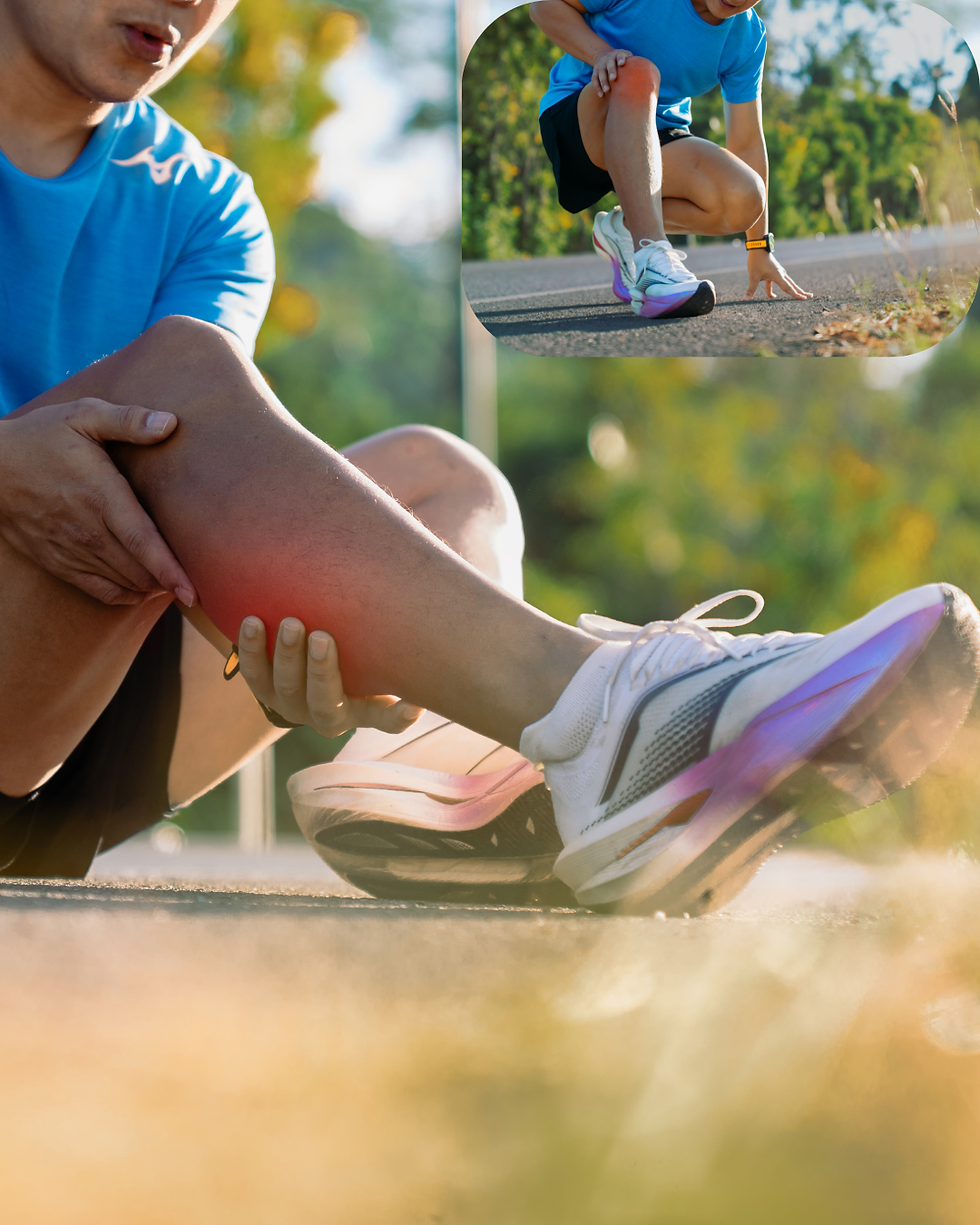
One of the main things I want to share on this topic, is to distinguish between normal discomfort from activity and the pain that signals injury. This distinction is very important. When you start an activity, no matter what level, you will feel some aches and pain. Your body is changing, stretching, and strengthening. And those changes comes with discomfort, fatigue and aches as the body rebuilds itself. Understanding the difference from your natural recovery cycles from an injury is important.
But you should not stop or necessarily worry because you felt some pain. Instead you have to learn how to adjust your workouts, routines and recovery cycles accordingly. Ask yourself is their inflammation (is the area red and warm to the touch), is the area of pain swollen (edema) or/and is the “aches/pains” hanging around longer than your normal recovery days (mine is 1-2 days after a workout).
Remember, before starting any activity or workout routine, see you doctor. Get your stats, figure out your physical ranges, and which activities will work best for you. Especially if you have any medical condition. If you do feel like you are hurting more than usual with any activity, don’t just stop. Speak to a physical therapist, orthopedic massage therapist or your doctor to address your concerns.
We Can’t Beat It But We Can Embracing The Journey
It's a journey not a race. You will have setbacks. One of mine happened as soon as I addressed by back pains, I was feeling good. And one day, I was reaching for shampoo from the outside of the tub and I somehow sprained my knee. I just felt a pop. I couldnt believe it. Now I am injuring myself just reaching for things LOL. I allowed for proper healing time, I went to my doctor for consultation, and I returned to my fitness routnine. Adapting as I went along.
Pain and discomfort will not disappear completely as we age, but they can become more manageable with consistent effort. New issues will come. Just because you stay active and healthy doesn't mean no more pain. The key is to focus on progress, not perfection. Celebrate small victories, such as improved your movement, better sleep, or simply being stronger. Address the pains in real time, as they come. Don't ignore or dismiss them.
Virtual cardio boxing gave me a sense of accomplishment and a way to address my chronic aches, stiffness and menopausal weight gain. I encourage you to find an activity you enjoy. Boxing, pickleball, walking, swimming (which is an excellent exercise for those with joint issues), or even dancing, Find what you love and just keep moving :-)
Article written by Diana Gordon, LMT, OMMS
As a professional Licensed Massage Therapist for 23 years, I've had the privilege of learning, growing, and sharing with my clients. I’m grateful to share what I’ve learned with you. I’m not a doctor, so if you have pre-existing conditions or any medical concerns, it’s always best to consult your medical physician before starting any new activity or treatment.
(For the full article with references, contact cs@dianagordonlmt.com)


Comments